
Securing cultural layers from the Middle Ages

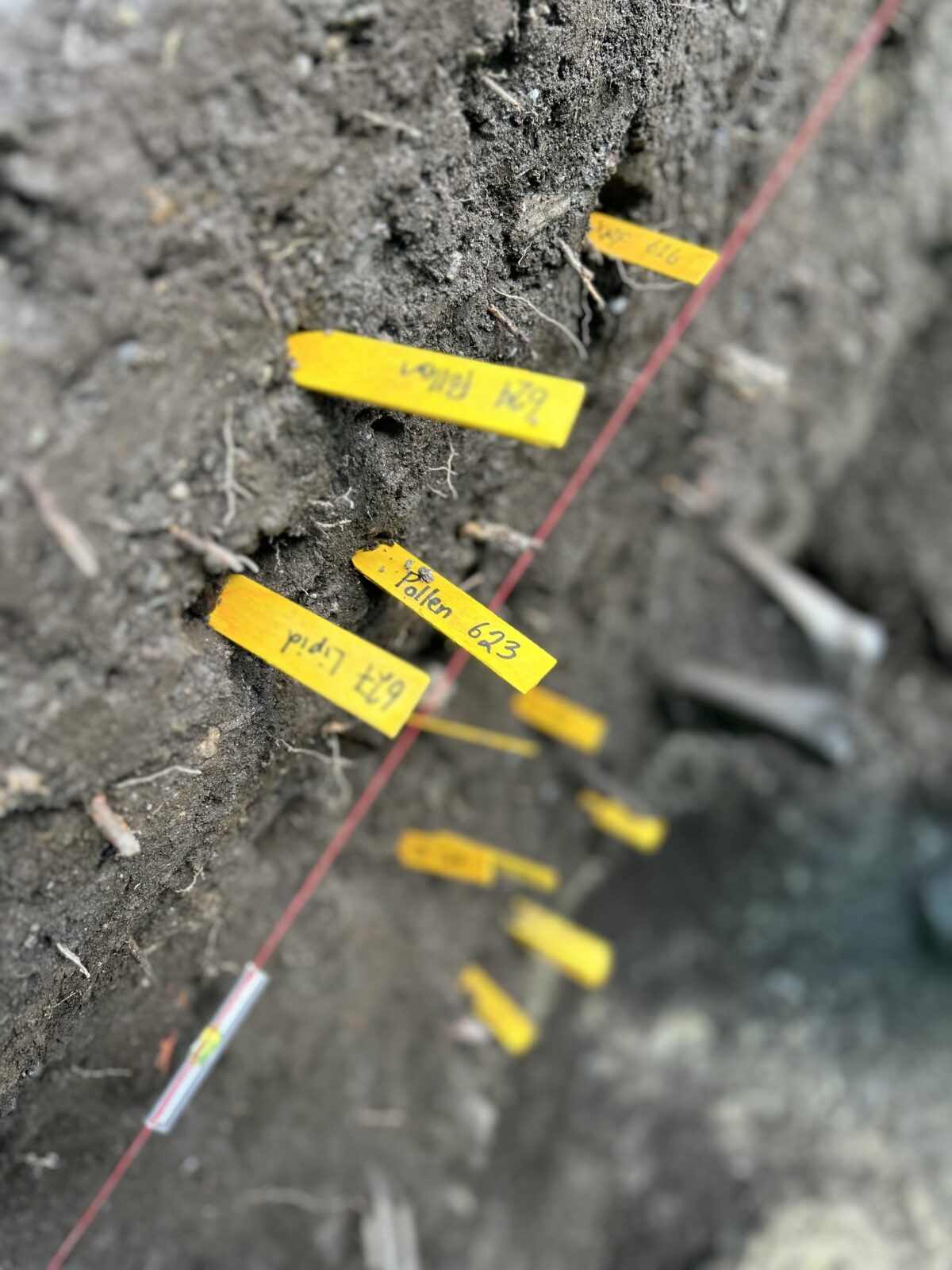
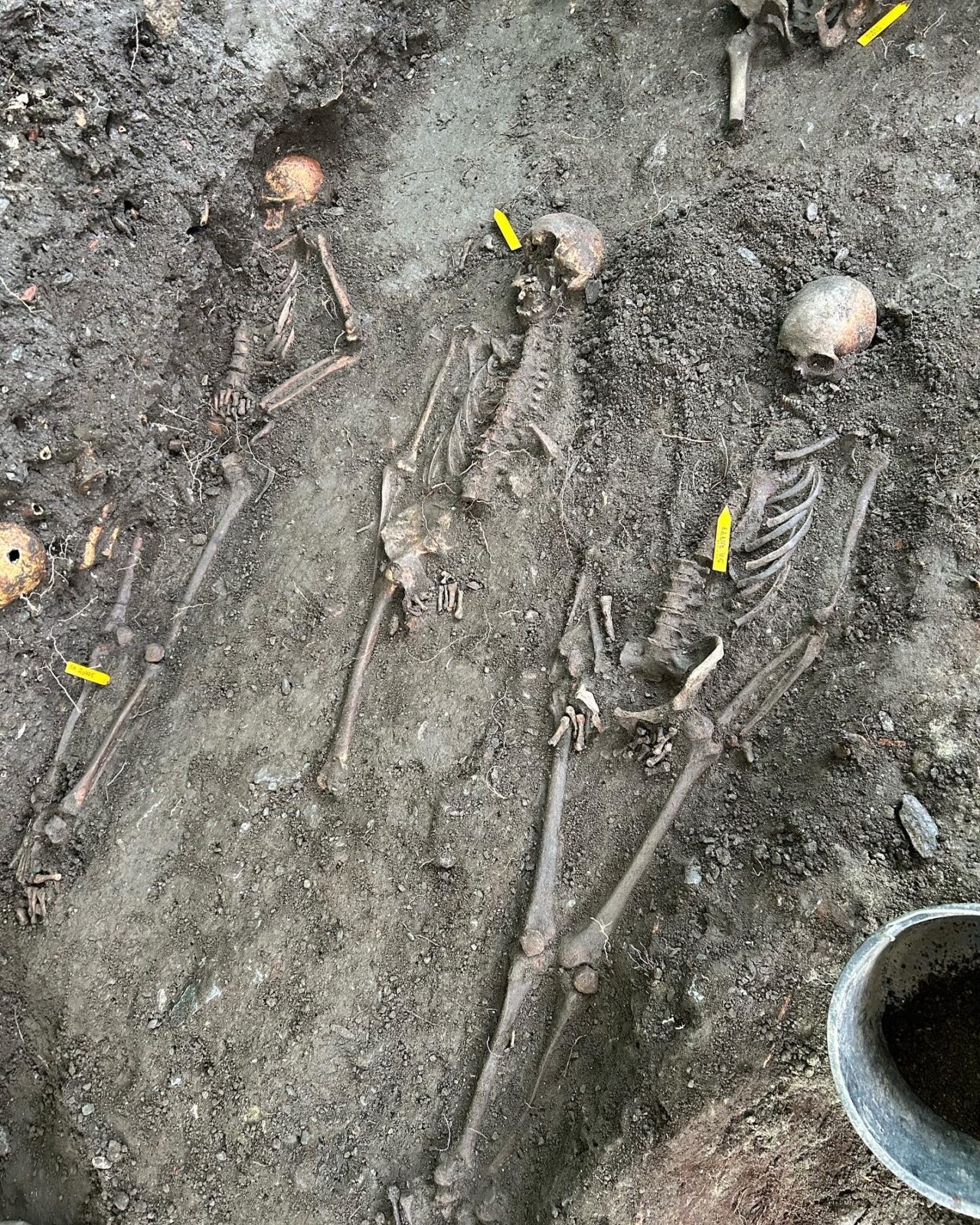
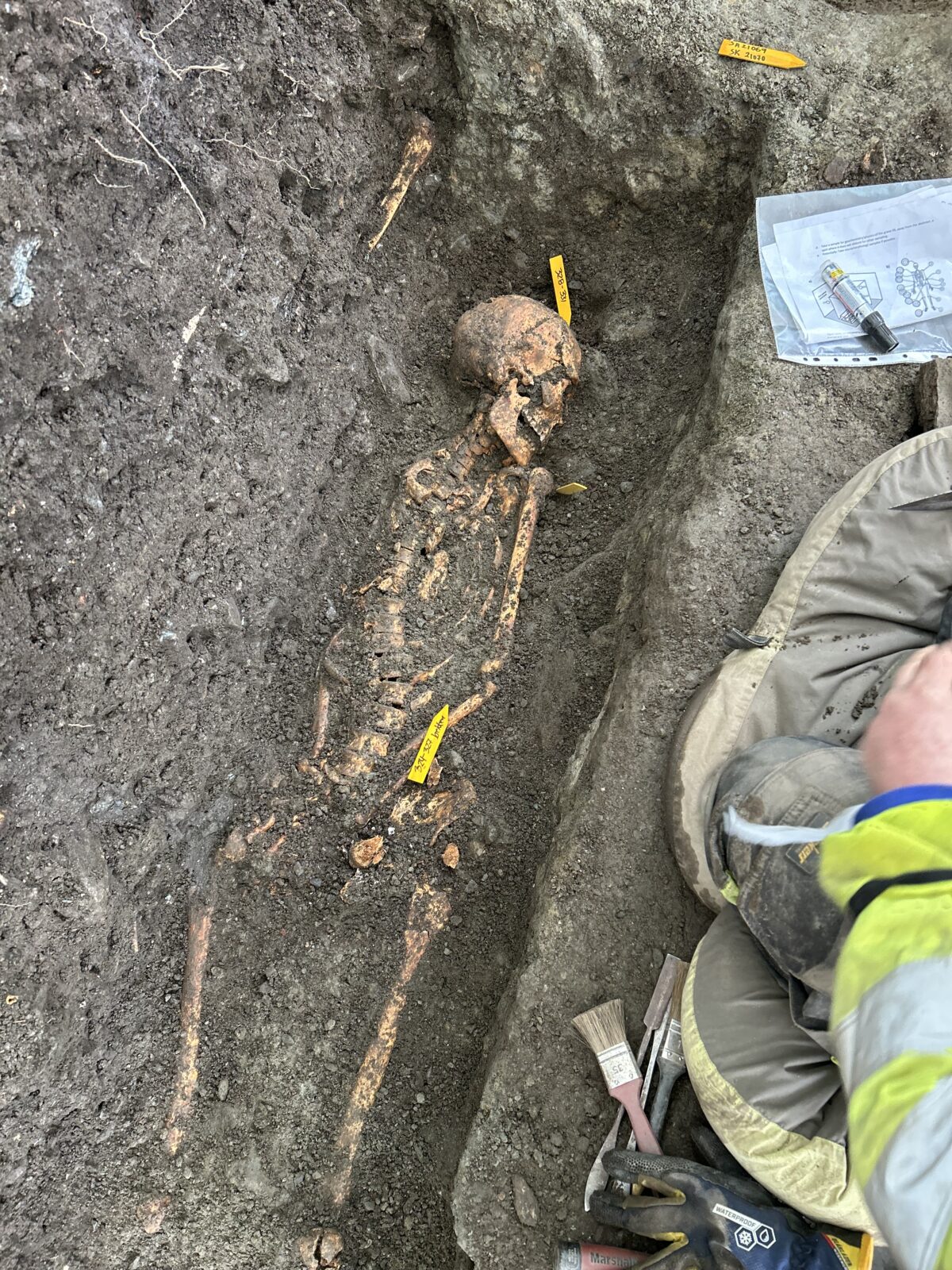
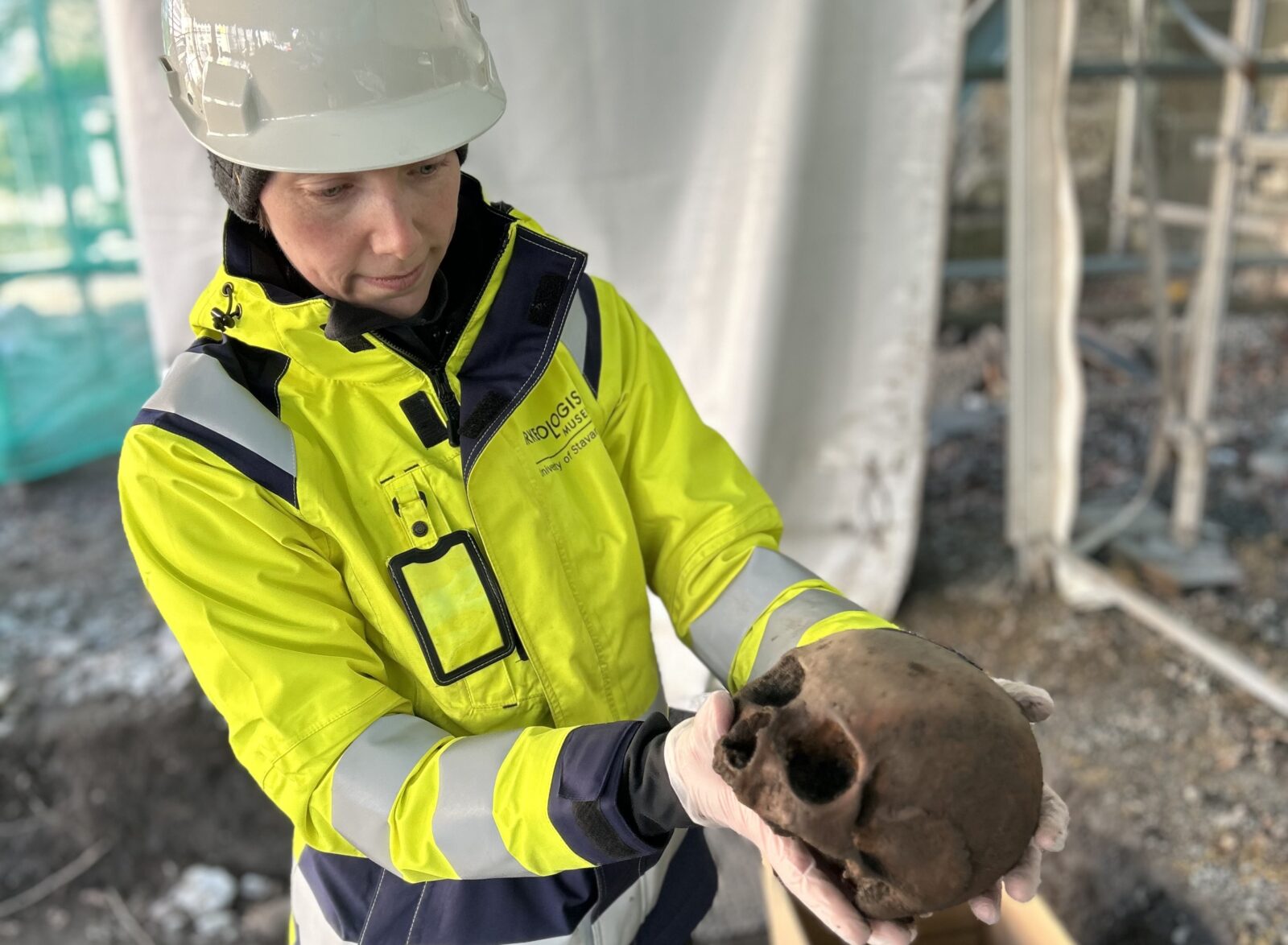
Cautus Geo looks after cultural layers from the Middle Ages. It's about historical heritage that is neither visible nor renewable.
Problem statement
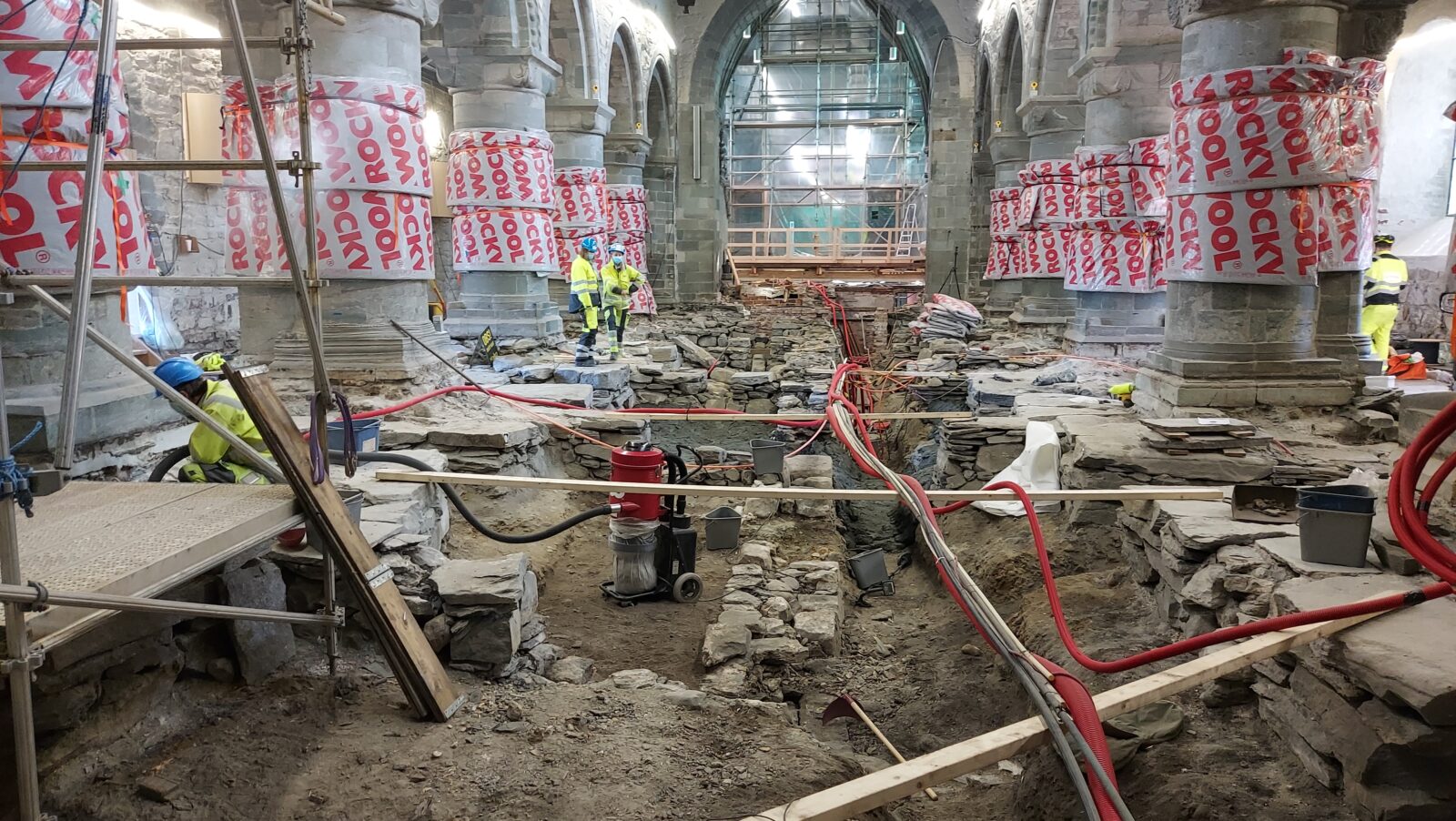
Historical cultural artefacts lie underground. Excavation, research and further preservation are complex and expensive. Many cultural artefacts are therefore often preserved "where they lie" - in the ground. At the same time, they can be lost if the groundwater level changes or other environmental influences change the preservation conditions. In other cases, visible cultural artefacts can be lost if ground conditions change.
Solution
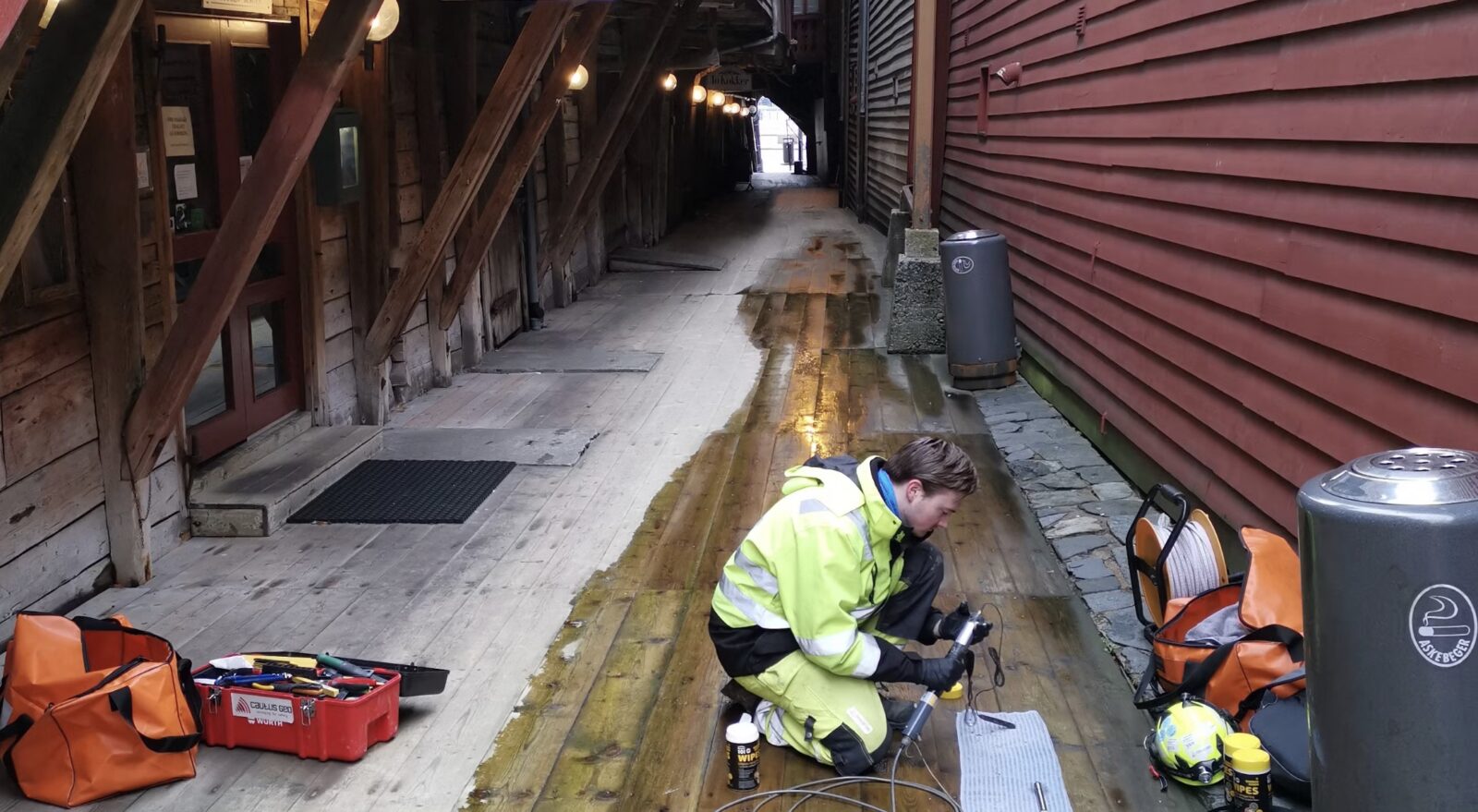
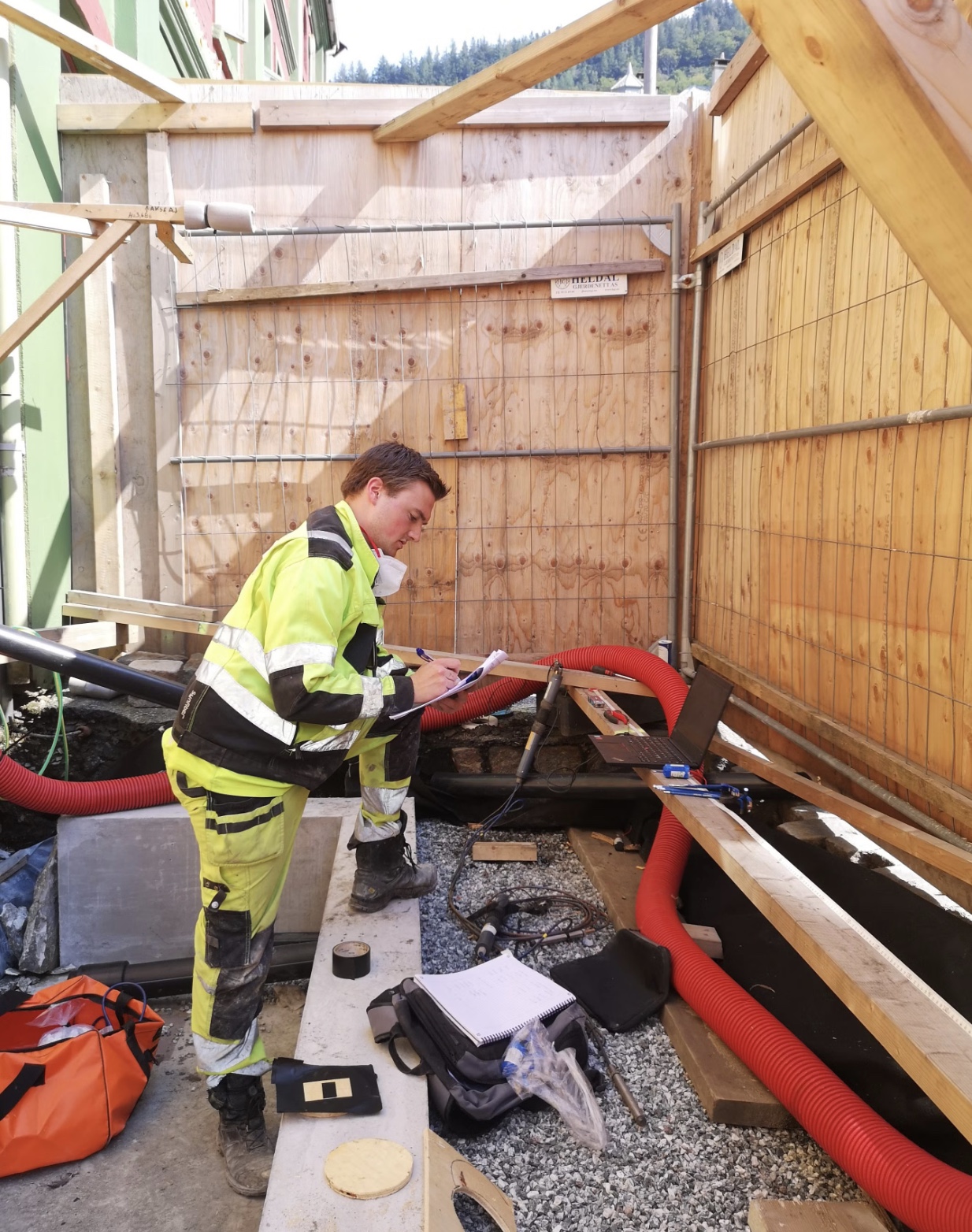
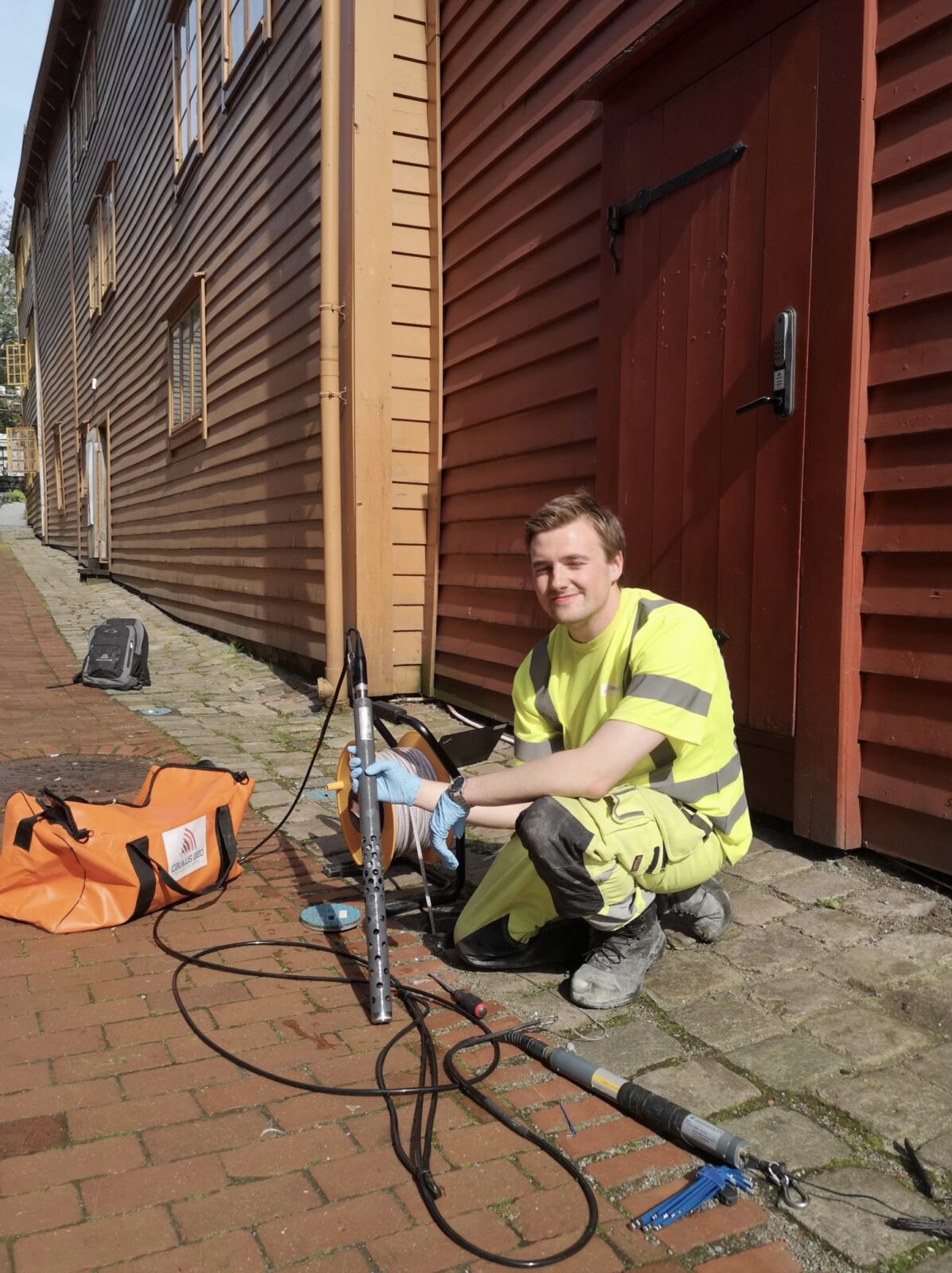
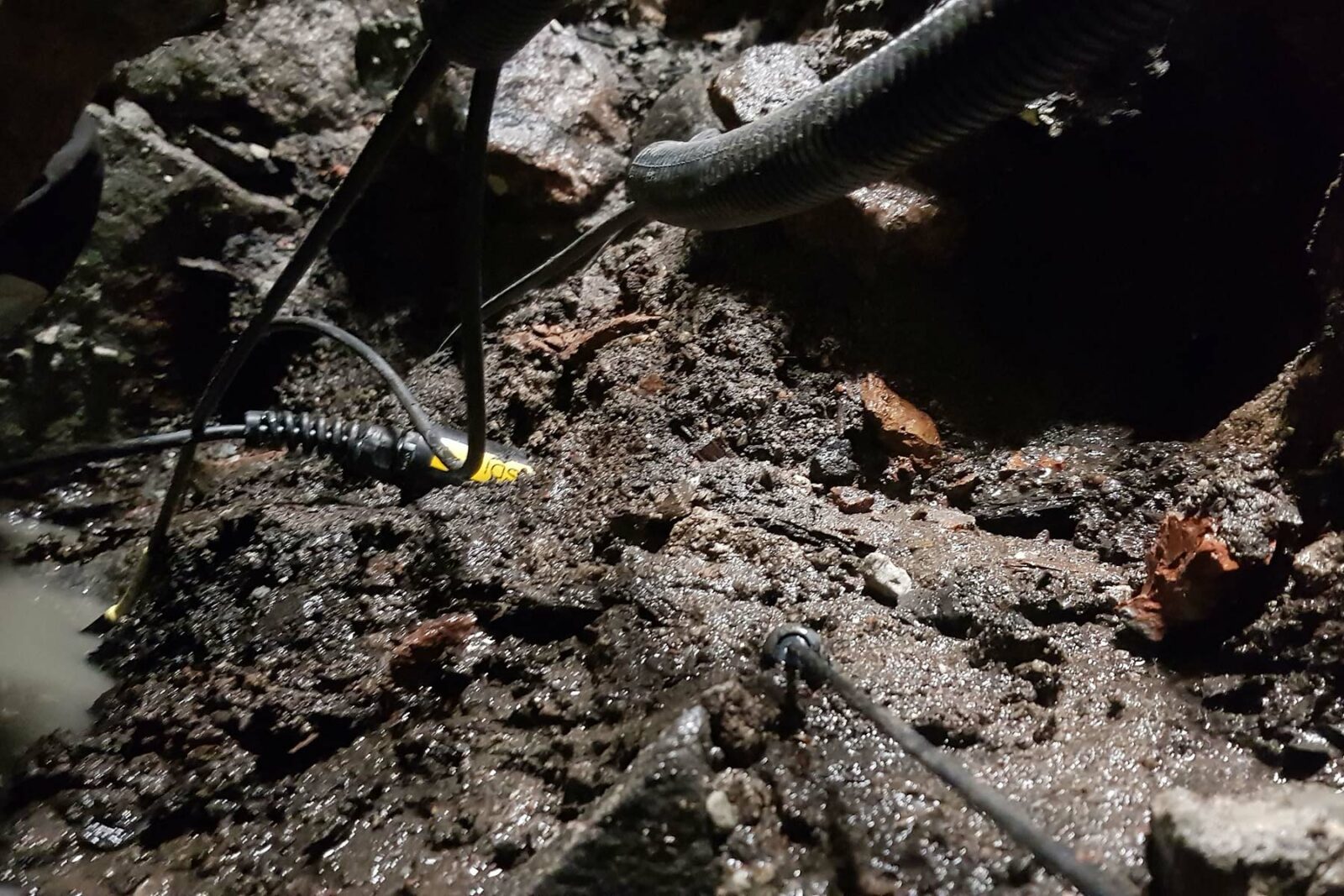
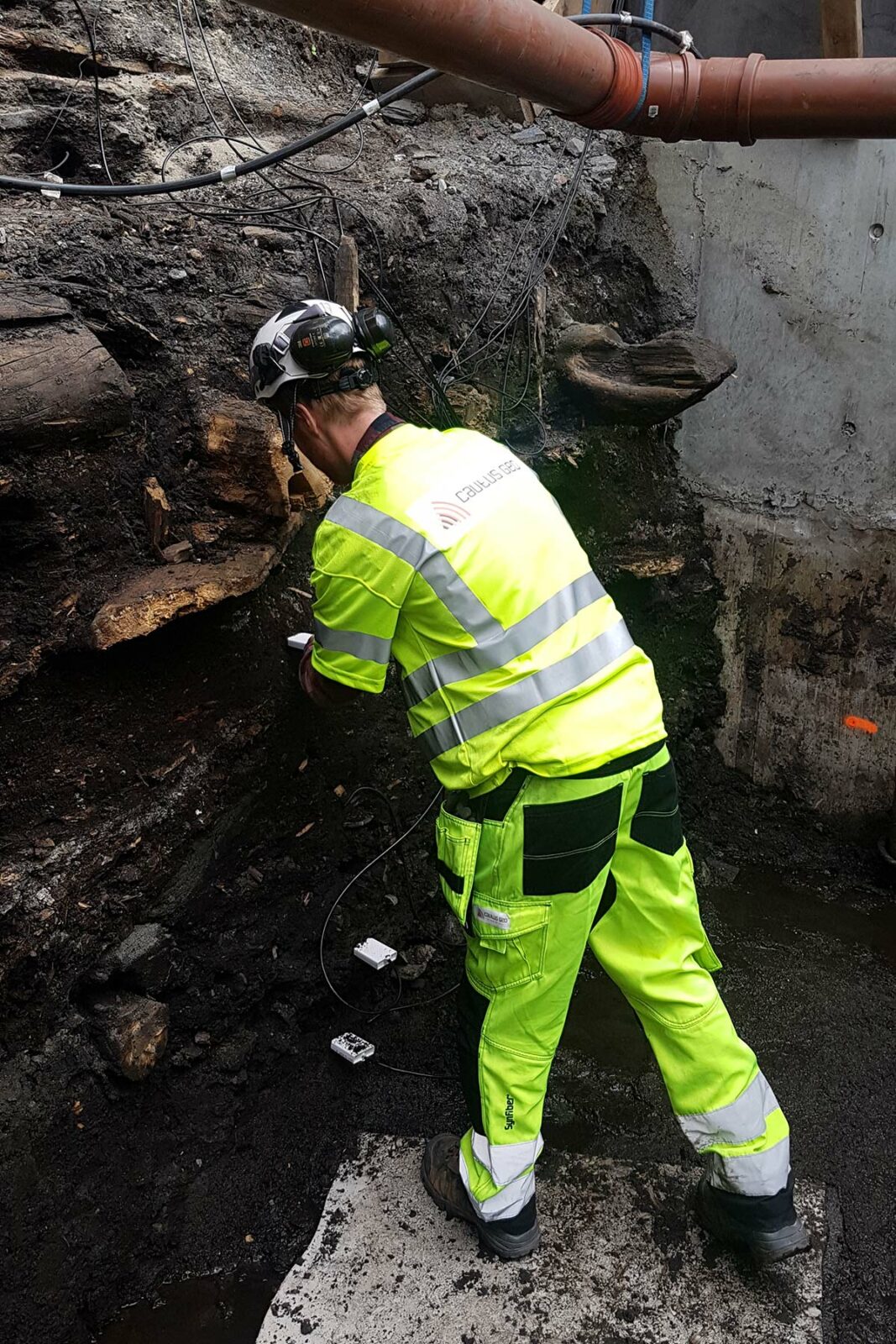
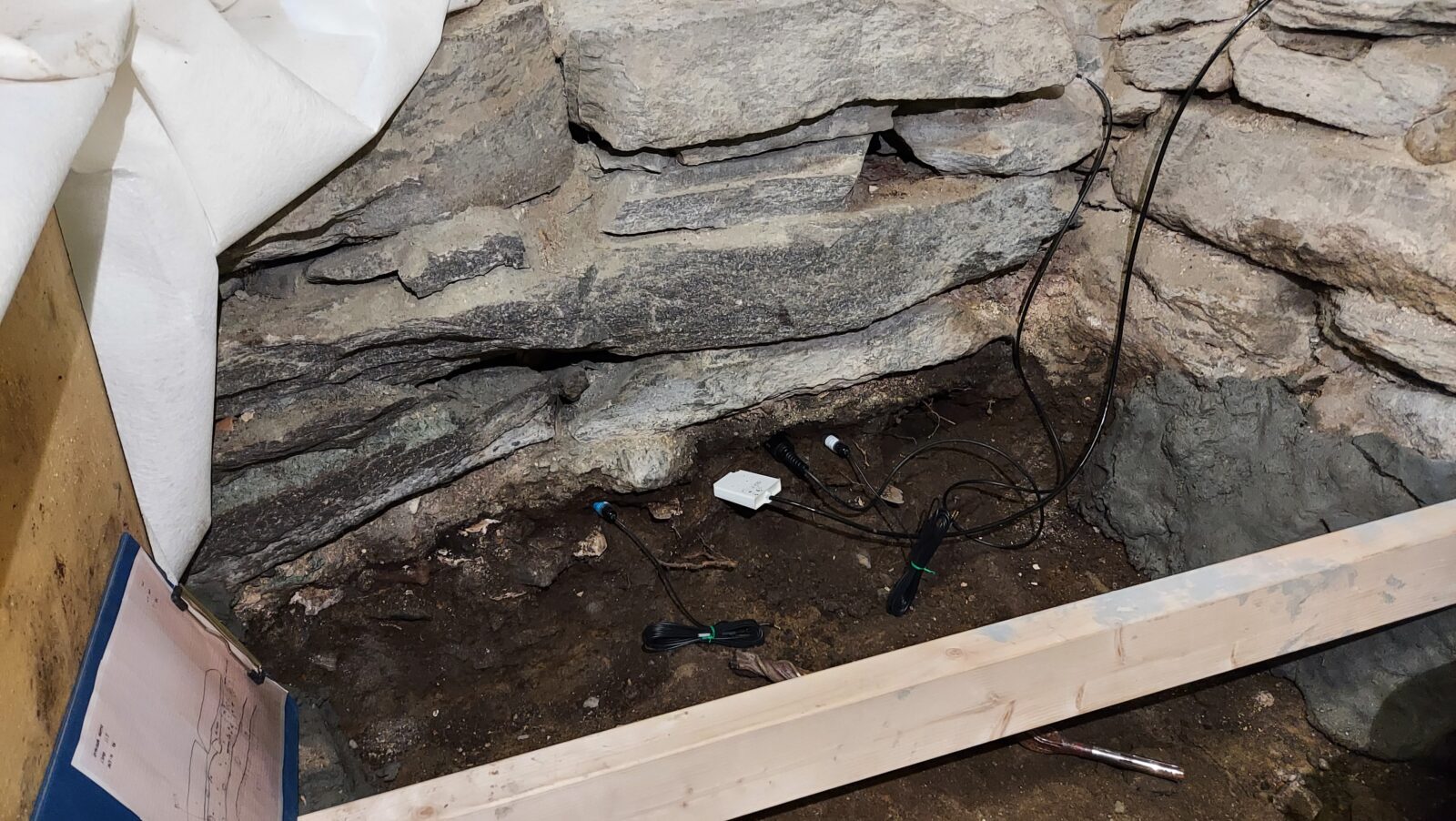
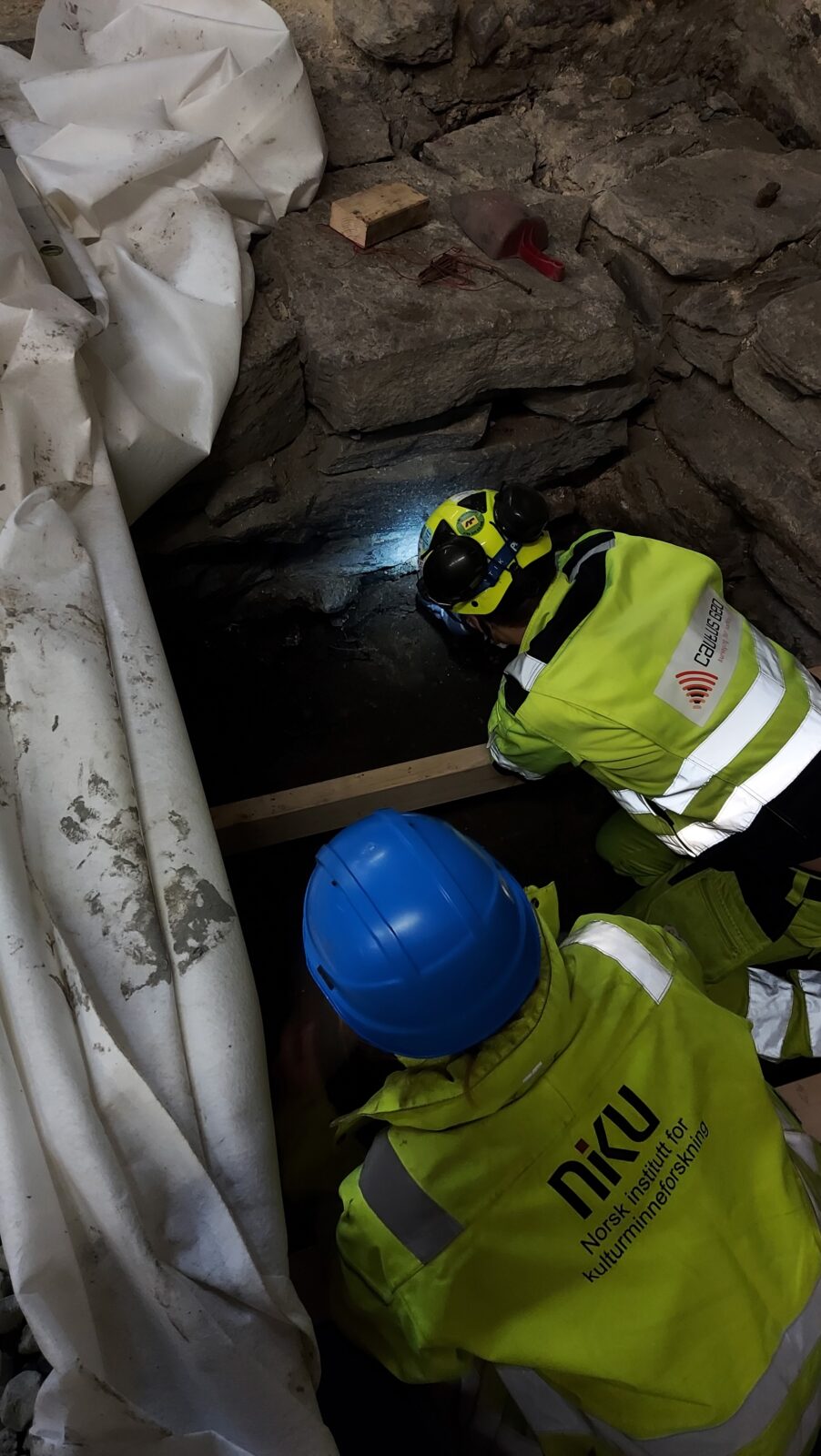
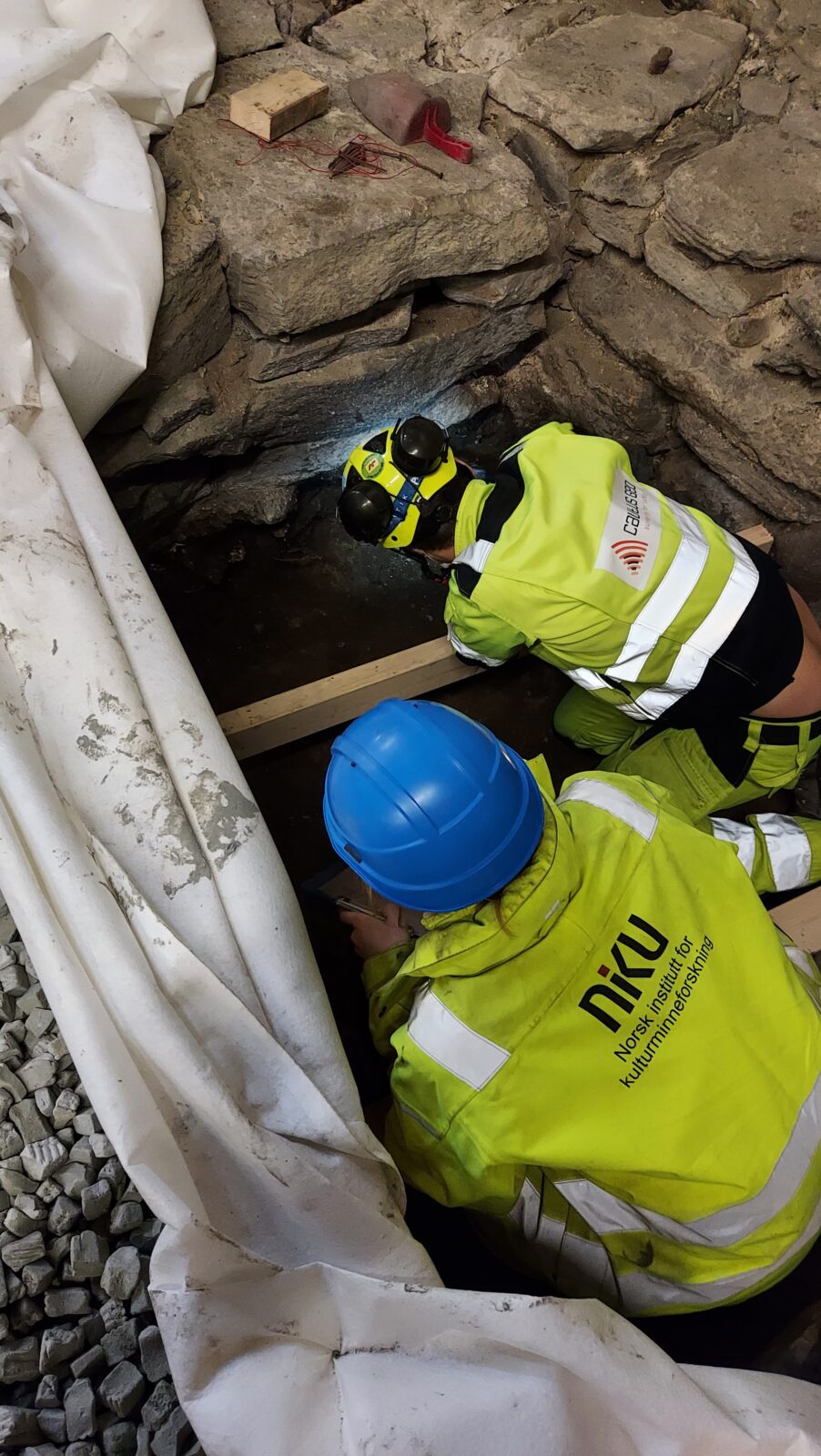
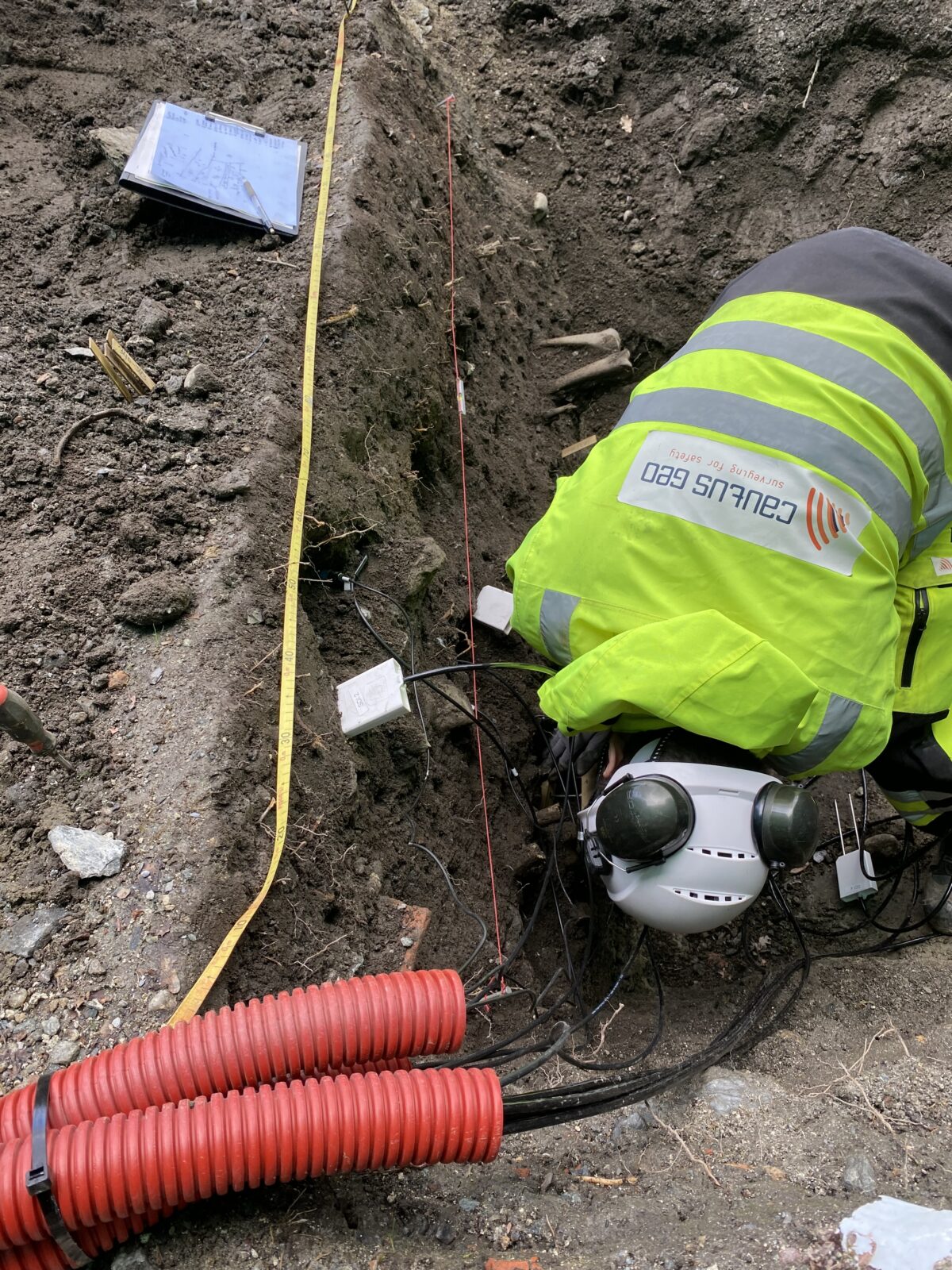
Since 2019, Cautus Geo - in collaboration with COWI - has instrumented, automated and carried out continuous monitoring of cultural layers from the Middle Ages. The framework agreement signed with NIKU ensures that the monitoring will continue for another five years, until 2029. The automated and instrument-based monitoring provides NIKU (Norwegian Institute for Cultural Heritage Research) with real-time data on an ongoing basis. If the preservation conditions change, various measures can be implemented, or the cultural monuments can be excavated, treated and preserved for posterity.
Instrument-based monitoring of ground conditions has secured NIKU time series of seven years. At Bryggen in Bergen, we have the oldest time series. There are 25 years of collected data. Cautus Geo has been engaged since 2019. The framework agreement with NIKU was renewed in the summer of 2025.
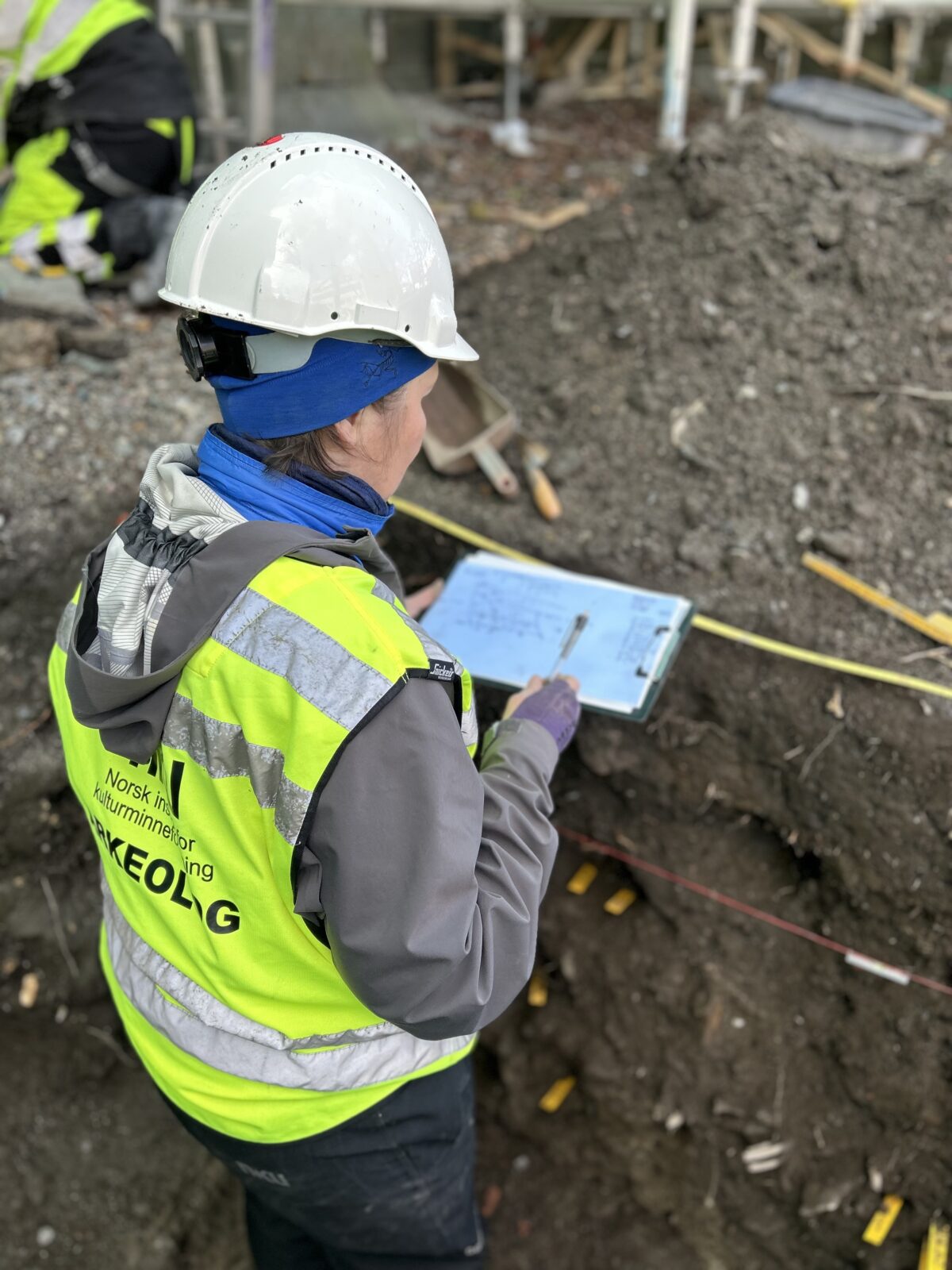
The archaeologists at NIKU believe that instrumentation is crucial. It gives archaeologists an opportunity to monitor what is happening on the ground and secure knowledge about prehistory that can, among other things, provide answers to the management of climate change.
Two agreements
Cautus Geo and COWI have also renewed the framework agreement with NIKU concerning development projects that interfere with automatically protected areas. This agreement is in addition to the monitoring programme for medieval towns.
The cultural layers from the Middle Ages provide continuous monitoring of ground conditions where cultural monuments have been found in cities such as Bergen, Stavanger, Tønsberg and Oslo.
The monitoring programme NIKU is behind is all about preservation. Cultural heritage sites must be protected where they are. At the same time, it is about being able to take action if soil layers are threatened, and cultural heritage may be lost.
Shifts in cultural layers can jeopardise important infrastructure such as water and drainage systems.
Different threats
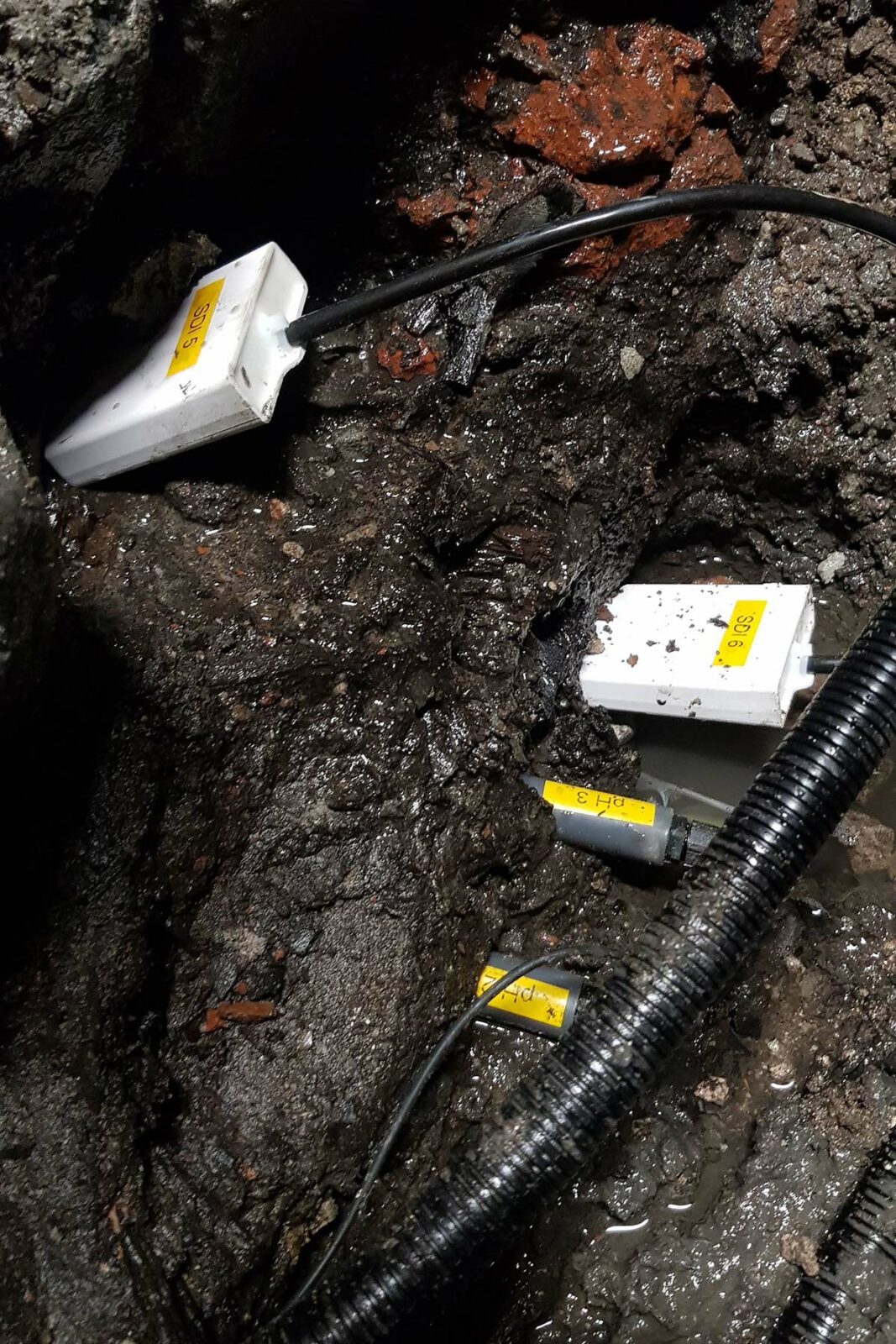
There are many threats to cultural heritage sites. They can be threatened by development and climate change. Monitoring takes place with the help of instrumentation. Sensors provide precise knowledge in real time. Data is collected in Cautus Web.
NIKU, together with the Directorate for Cultural Heritage, has worked long-term with environmental monitoring and is considered to be a world leader in remote monitoring of underground cultural layers.
Cautus Web is essential for monitoring. Data collection is automatic, continuous and available via Cautus Web regardless of location and can easily be shared with others.
Customer
NIKU (Norwegian Institute for Cultural Heritage Research)
Year
2019 - 2029
Location
Medieval towns such as Oslo, Tønsberg, Stavanger
Application area
Technology
The cultural layers beneath the ground give us the opportunity to understand the past. It's a resource we need to look after.
Archaeologist Vikeke Vandrup Martens, NIKU
Contact person
Switchboard telephone +47 990 96 580 or e-mail salg@cautusgeo.com


Images