
Radar monitoring of rock falls

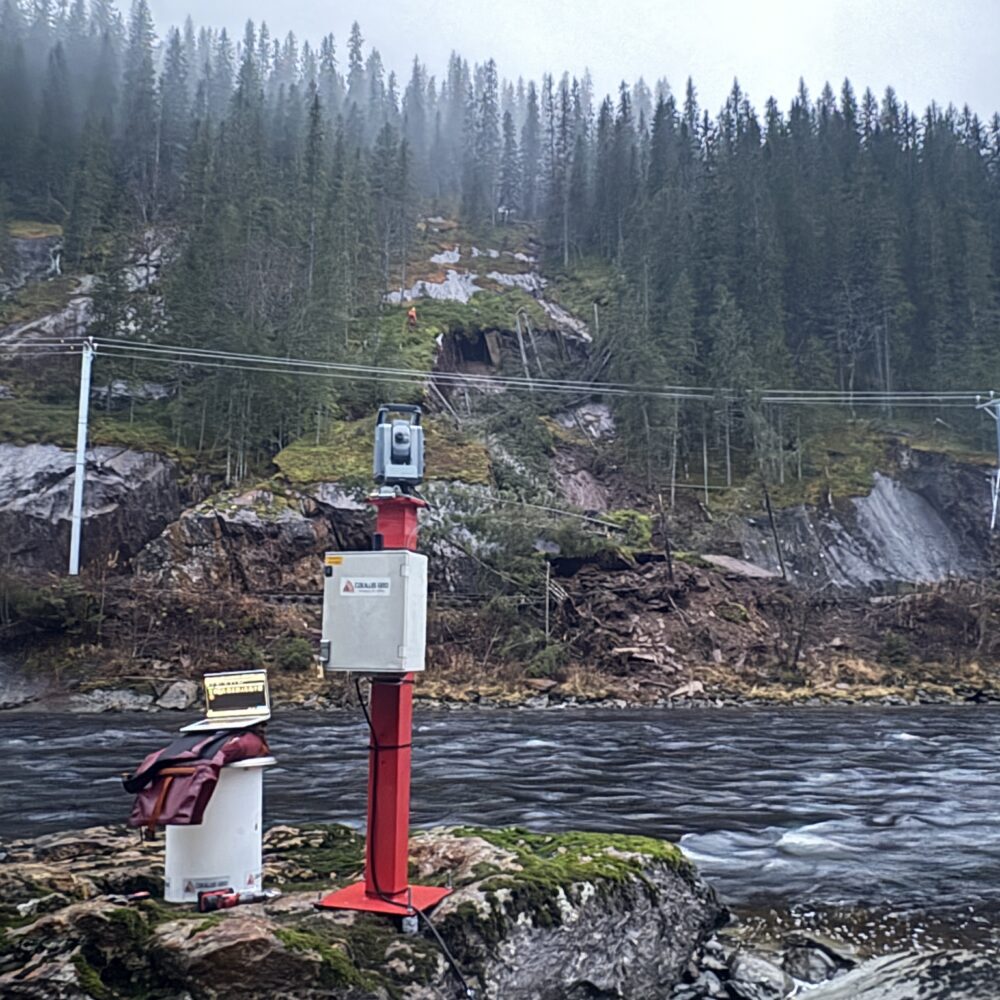
Cautus Geo has established radar monitoring of rockfalls at Andøya.
28. 28 April 2022
Written by Rino Andersen
- "We are conducting a pilot project. It looks positive," says geologist Sølve Utstøl Pettersen of Nordland County Council.
Cautus Geo is one of Europe's leading technology companies in automatic monitoring of structures, land, water, climate and the environment. The company has developed a wide range of sensor technology and a proprietary web solution, Cautus Web, for automatic and continuous collection, processing, analysis and notification based on data from various sources.
Cautus Geo is behind several avalanche monitoring systems. In Lom, the warning system saved lives in the winter of 2020. On 25 February, traffic on national road 15 was stopped before a large avalanche thundered across the road. The avalanche took all the equipment with it. The road is secured with radar that automatically stops traffic if a major avalanche is triggered.
Testing newly developed system
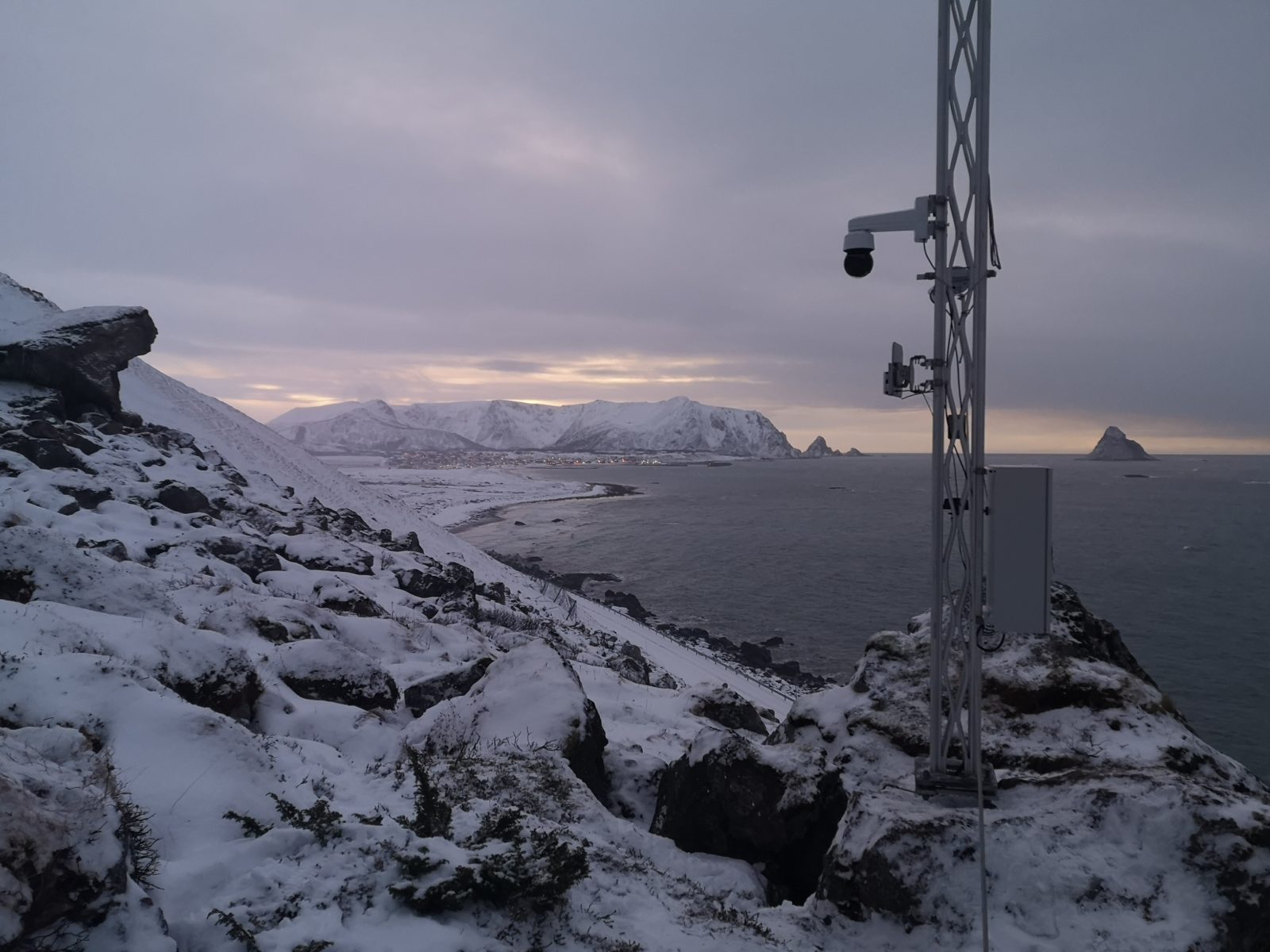
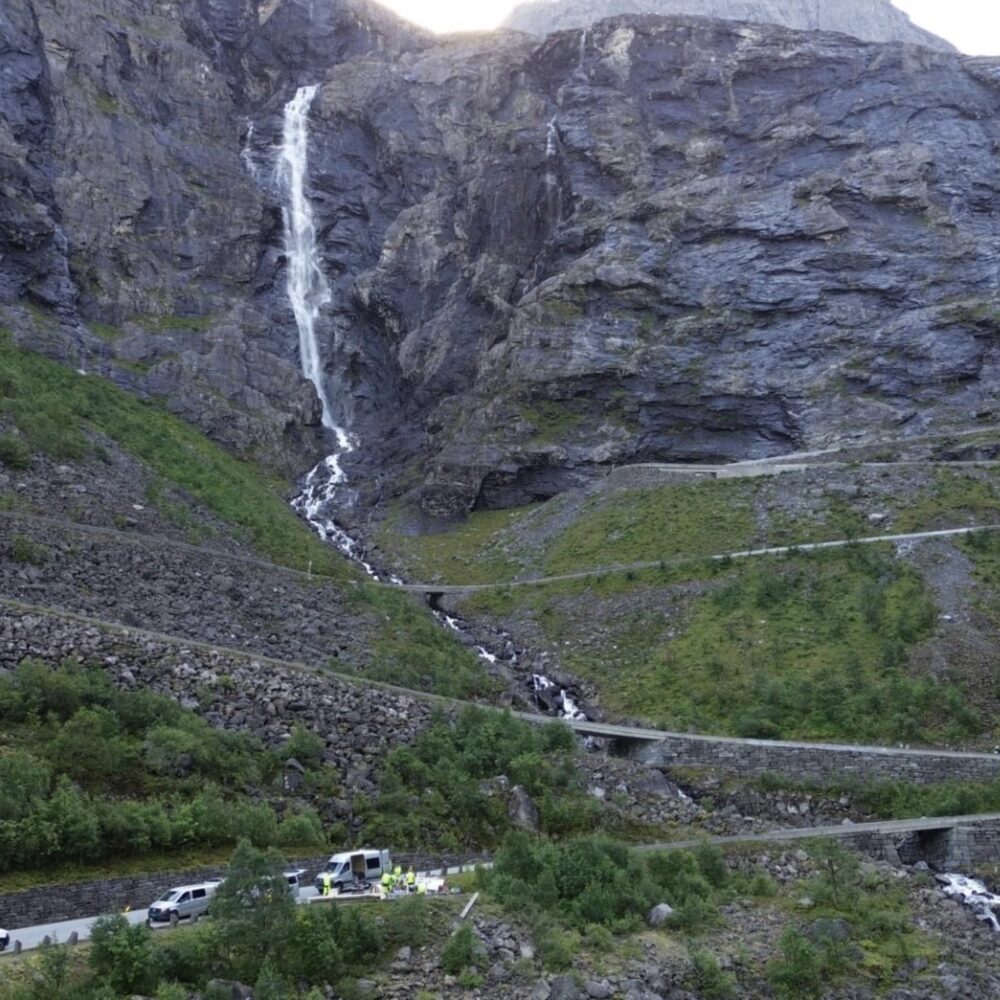
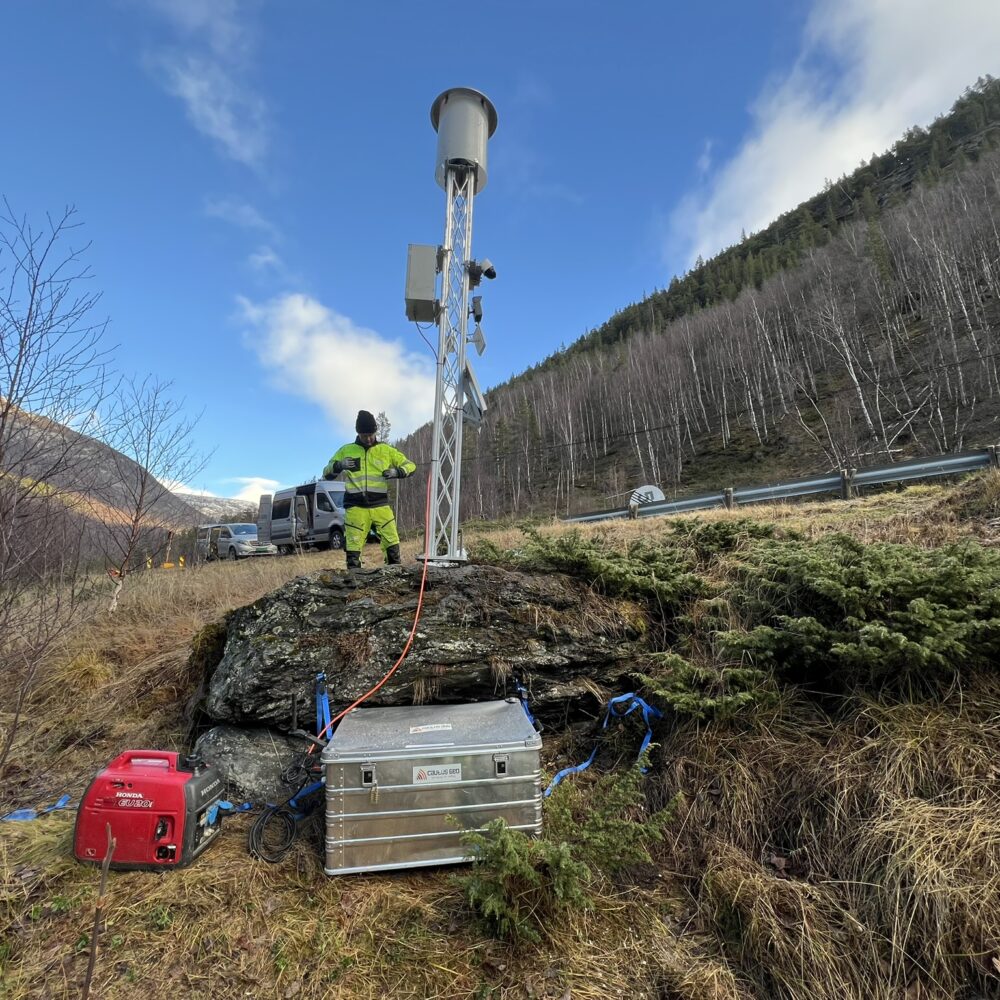
Radar monitoring for rockfall protection is new in Norway. Now it could be coming. County road 7702 on the west side of Andøya is one of the exposed stretches that could be protected by radar. A newly developed radar-based system for warning of rock falls is currently being trialled there.
- We have established a pilot project. The first sensitivity test gave positive results. Ten out of ten test balls released from the top of the mountain were detected on 31 March. A new test will be carried out in a few weeks. Then we will release the masses through rock cleaning. This test will give us more data," says Nordland geologist Sølve Utstøl Pettersen.
57 exposed sections
Nordland is one of the counties with many road sections at risk of landslides. 12 stretches have a high avalanche risk. A further 45 have a medium landslide risk. The cost of landslide protection is estimated at NOK 4.6 billion in 2019. This year, Nordland will receive NOK 65 million in government funding to protect roads against landslides.
- New technology has been utilised to protect against avalanches. So far, we have established two systems in Nordland. Now we want to investigate the possibility of also protecting against rock falls. The aim is to maximise safety and provide as much protection as possible with the resources we have," says Pettersen.
Rockfall detected
On the night of 19 April, a rockfall occurred in Røyken. It was detected by the radar system at 03.37. Just under 50 seconds after the radar detected the landslide, the stones reached the road surface.
- "A good confirmation that the system works," says Lars Krangnes of Cautus Geo. The images from the monitoring system show that one of the stones was stopped by the safety net. Another reached the road surface.
- That avalanche has not yet been analysed by us. We need more data before we can draw any conclusions, but we believe that automatic monitoring with new technology can have more applications than just protecting against avalanches. We've seen this in other countries," says Pettersen.
Newly developed technology
The development of technology to protect lives and facilities against rockfall has been on the development programme at Cautus Geo for several years.
- "We have worked to develop various solutions. So far, our tests show that the system at Andøya captures all rockfalls. The system has detected stones the size of tennis balls with radar at a distance of over 100 metres," says Krangnes.
Landslides are documented in Cautus Web. The movements are collected from the top down to the road surface. The radar measures the movement of the rocks and displays the landslides in maps with speed, video and images.