
Monitoring in medieval towns

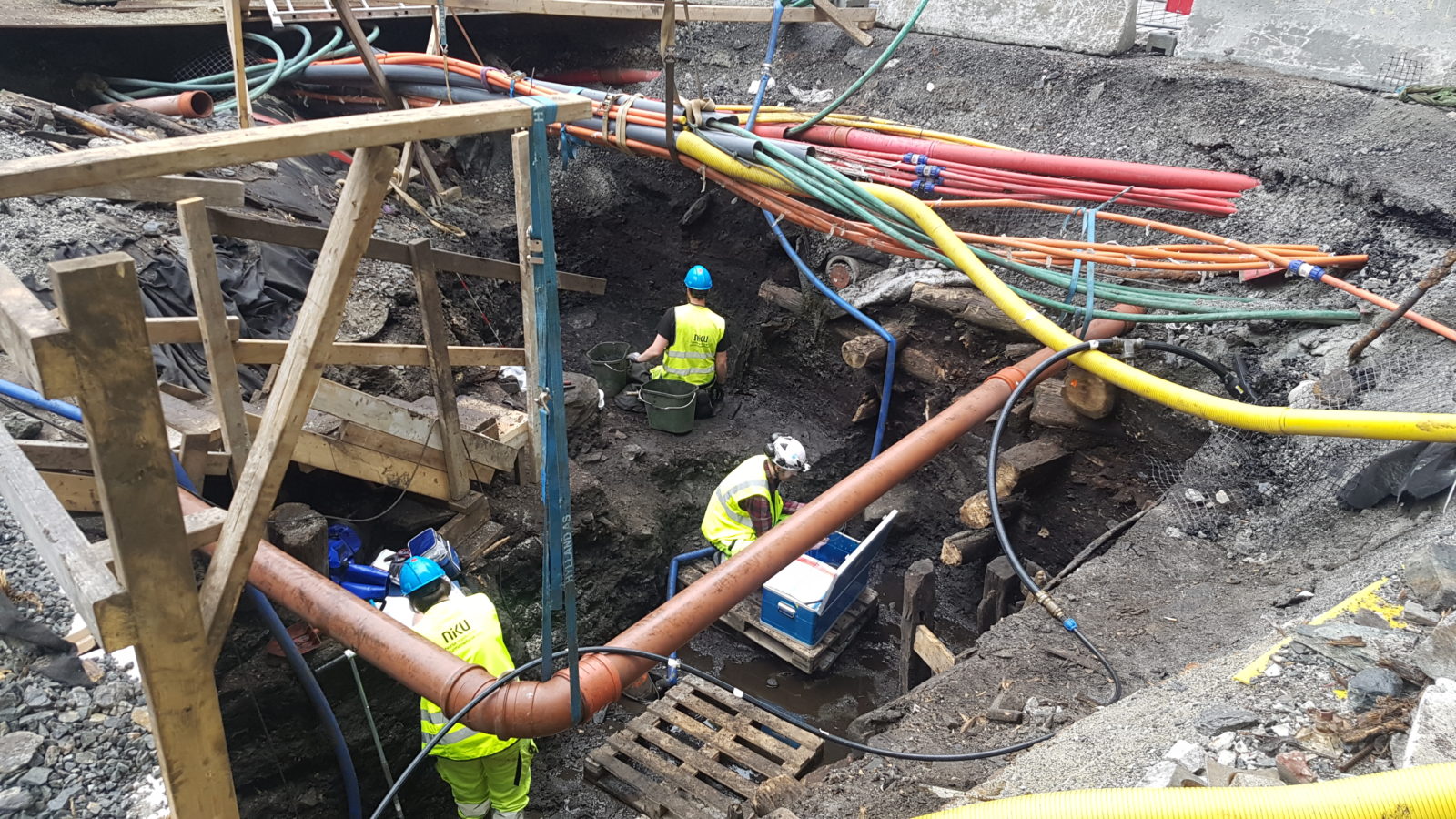
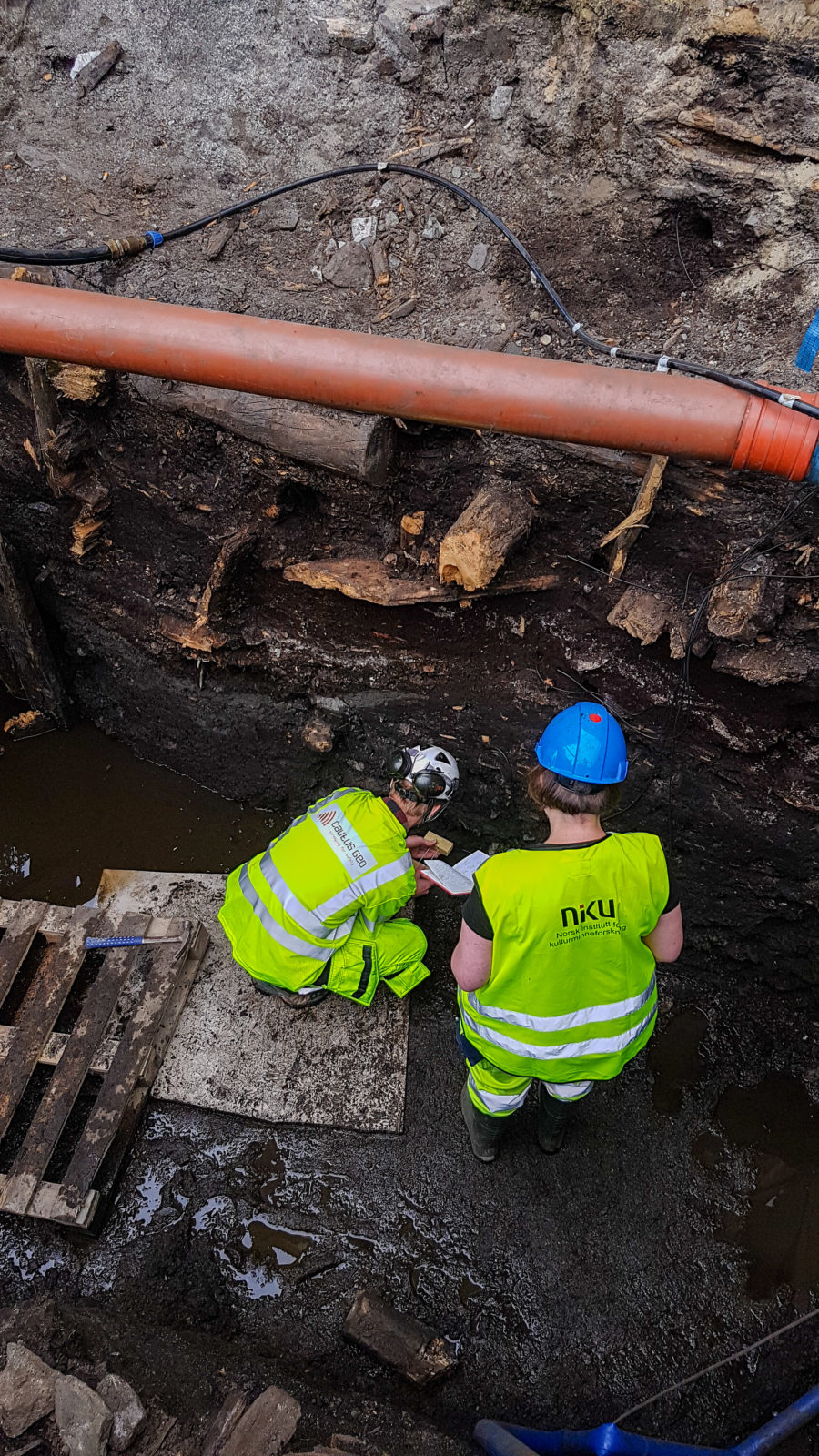
Cultural monuments in medieval towns such as Trondheim and Tønsberg are monitored by Cautus Geo. The aim is to gain knowledge about the condition of important cultural monuments. The client is NIKU.
27. July 2020
Written by Rino Andersen
Cultural heritage sites in Trondheim and Tønsberg are monitored by Cautus Geo.
The aim is to gain knowledge about the condition of important cultural heritage sites. Then to find the right measures to preserve cultural heritage sites that may be at risk.
The client is NIKU. The assignment is based on an agreement NIKU has entered into with Cautus Geo and Cowi. They work closely together on the assignment.
Close co-operation
- We are a good match. Cautus Geo are experts in instrumentation, collection of measurement data and data management. Then we come in with our expertise to assess the preservation conditions for the cultural monuments," says Cowi Marketing Director Stein B. Olsen.
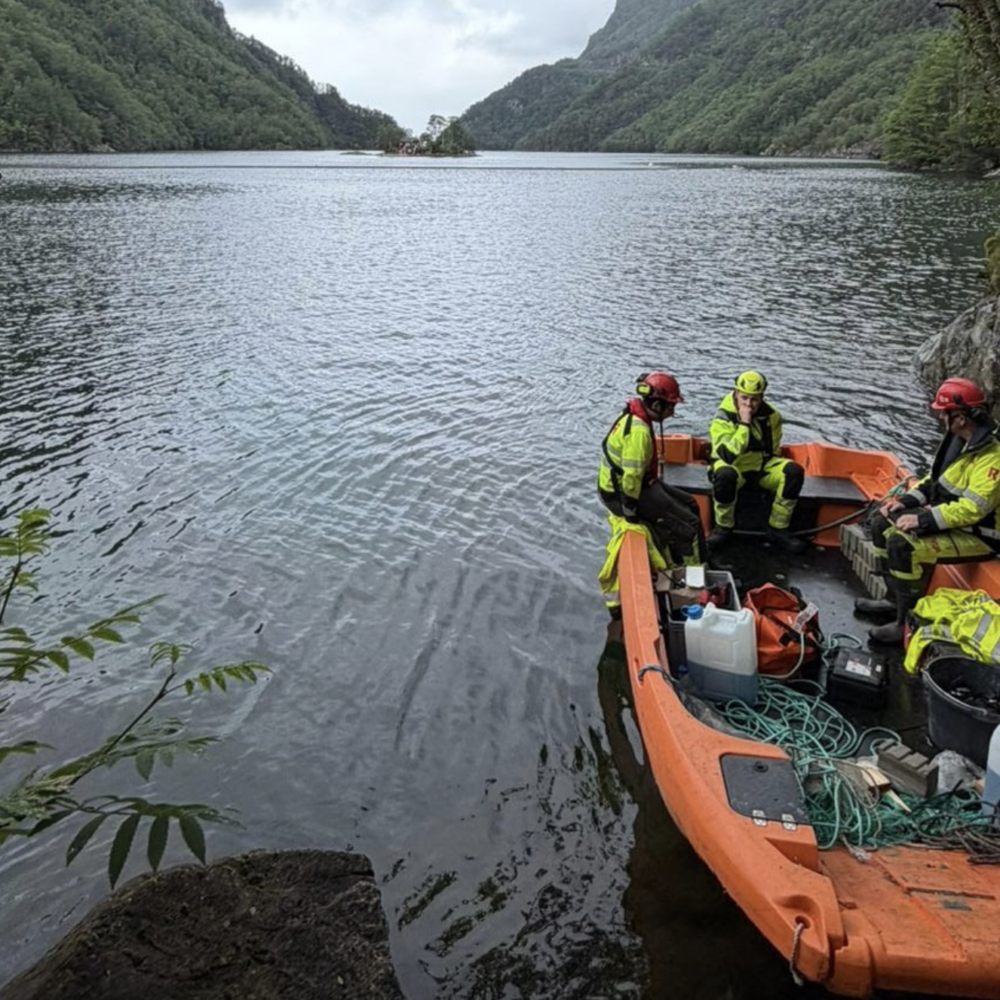
The Millennial City project is called MABYMOV. The cities in the project are Tønsberg, Bergen and Trondheim. Monitoring is also underway in the medieval cities of Oslo, Bergen, Sarpsborg, Hamar, Skien and Stavanger, but MABYMOV does not cover all of these.
- The results will determine whether we should, for example, prioritise excavations in these cities rather than preserving the finds where they are," says NIKU project manager Vibeke Vandrup Martens.
Cultural treasures
Medieval towns are home to some of our most important cultural treasures and heritage. Much may lie just below the surface. The threats to cultural monuments are many. They can be threatened by both development and climate change.
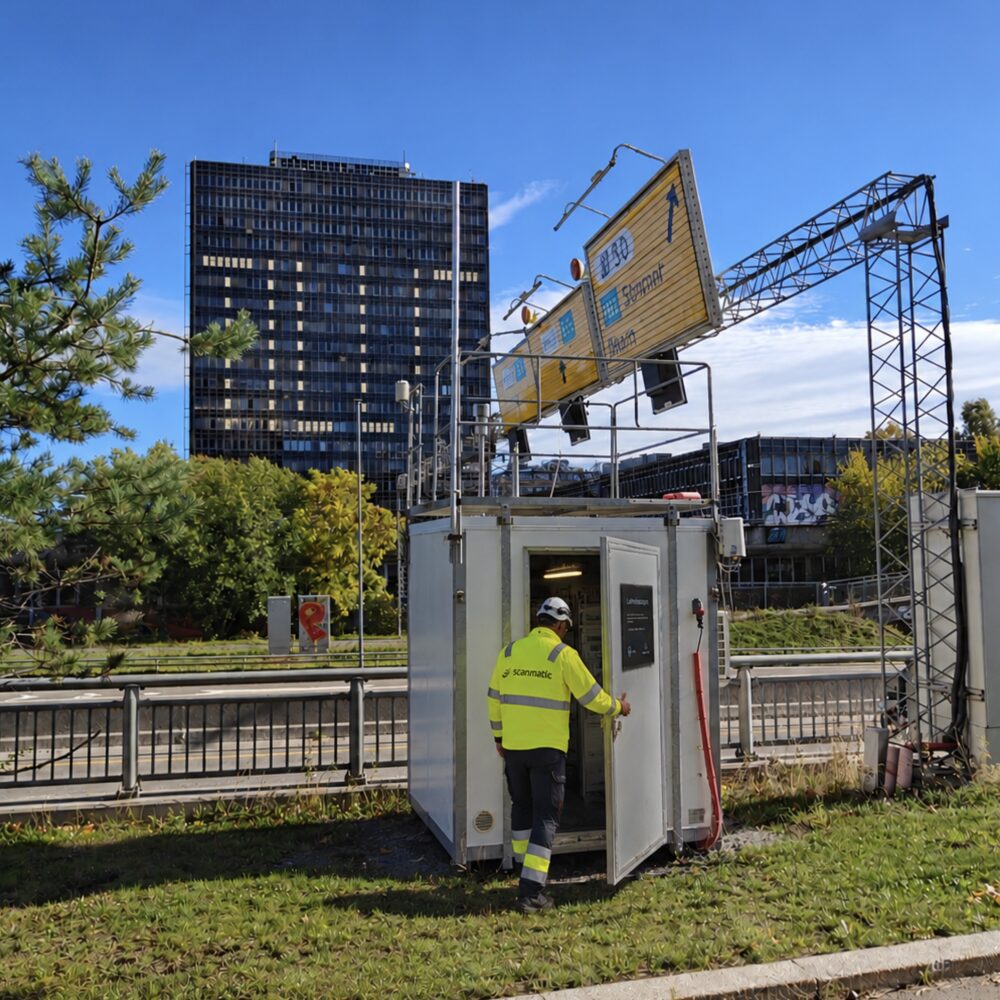
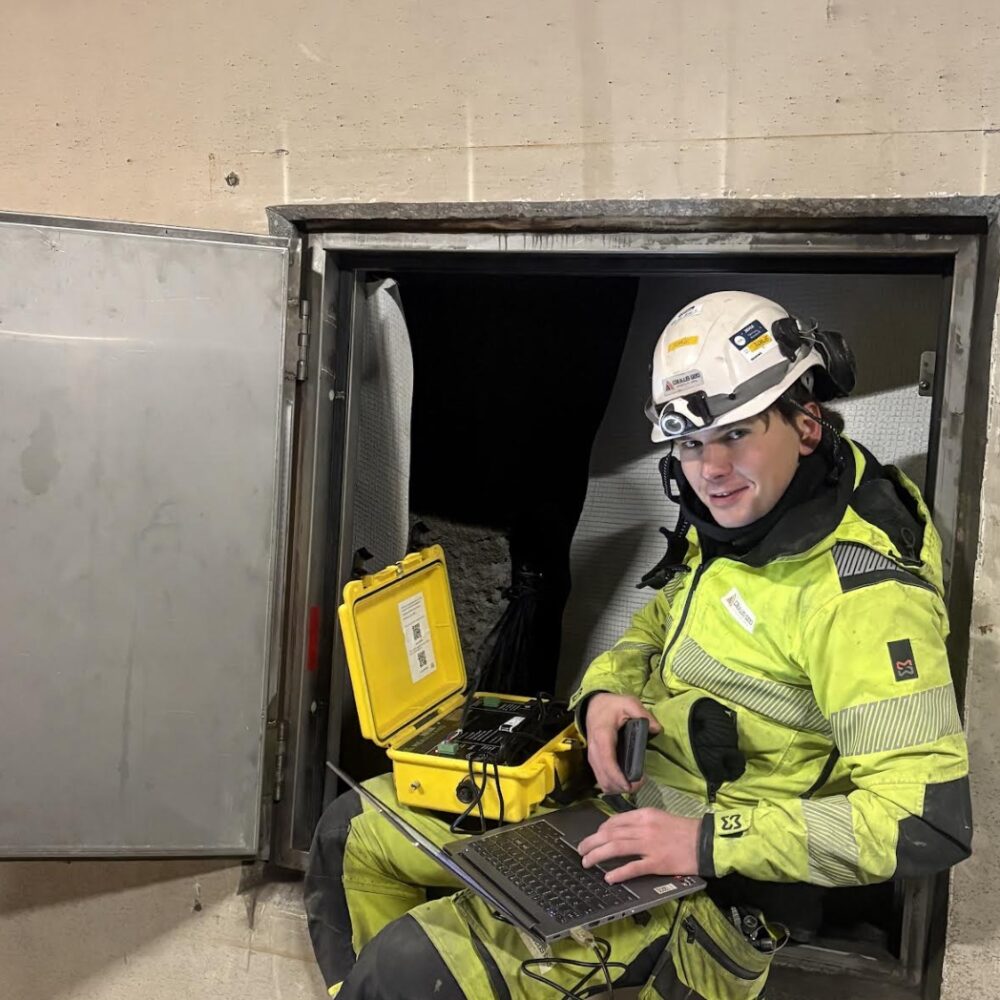
Monitoring takes place with the help of instrumentation. Sensors provide precise knowledge in real time. Data is collected in Cautus Web.
- "We want to make sure we know what the condition is, whether there is decay, whether cultural heritage sites are corroding, disintegrating or may be about to disappear," says Martens.
World leader
NIKU, together with the Directorate for Cultural Heritage, has worked long-term with environmental monitoring and is considered to be a world leader in remote monitoring of underground cultural layers.
- "NIKU has set strict requirements. "We will combine specialist knowledge of the ground environment with newly developed remote monitoring equipment and proven sampling methods," says Olsen at Cowi.
Instrumentation:
- Soil profile B2: Measures redox, acidity, water content, conductivity and oxygen.
- Environmental wells B1 and B3: Consists of a multiprobe that measures temperature, acidity, conductivity, oxygen content and water level.
- Water content sensors, redox sensors, oxygen sensors and reference electrodes are also used in most of the projects in the MABYMOV assignment.
- Datalogger CL1 and Campbell datalogger measure several times a day and send data to Cautus Web, which provides ongoing information to NIKU and the National Heritage Board.